
How to import wound care and gauze from Mexico: HS codes, COFEPRIS, FDA & CE
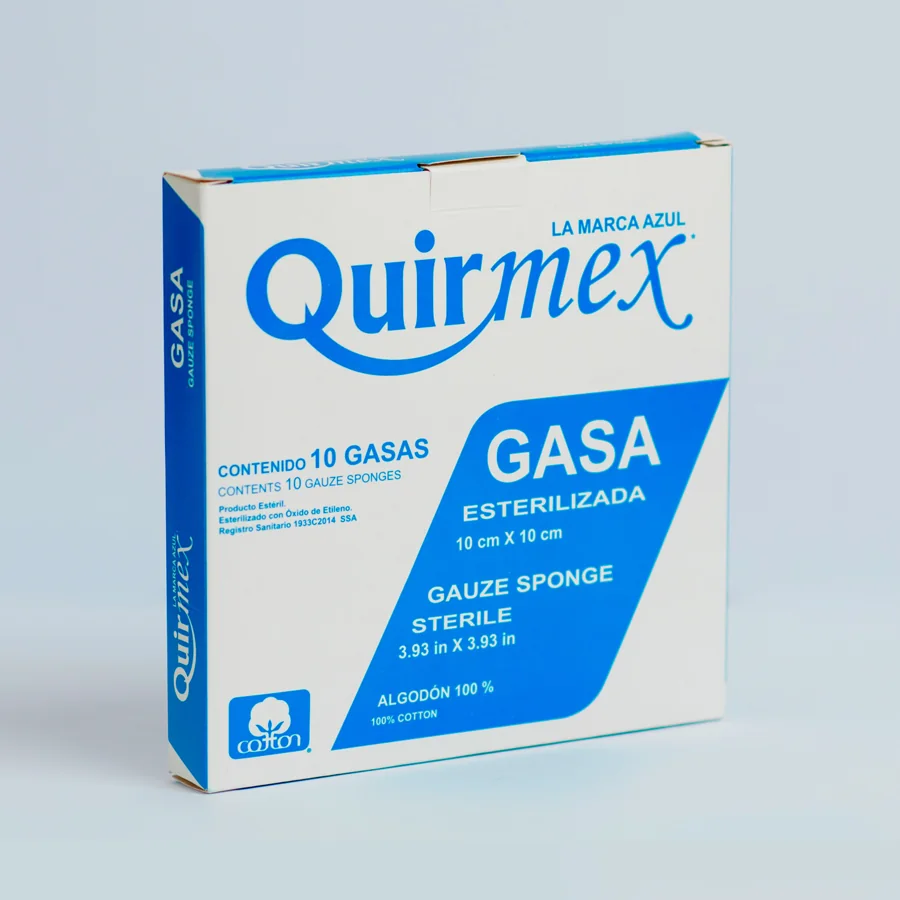
Mexico is one of the most cost-effective, tariff-efficient places to source wound care for the Americas, and increasingly for Europe and the Middle East. Once four things are clear — classification, certification, market pathway and logistics — importing gauze, cotton and bandages from Mexico is straightforward. This guide covers all four.
1. Know your HS codes
Most wound care classifies under HS heading 3005 — "wadding, gauze, bandages and similar articles" — with common subheadings for gauze and dressings (3005.90) and adhesive dressings (3005.10). Absorbent cotton wadding also reads under 3005; cotton swabs may fall under 3005 or under cosmetic-accessory headings depending on use. Confirm the national tariff line with your broker, because duty and inspection follow the code.
2. Understand the certification stack
- ISO 13485:2016 — the medical-device quality-system standard buyers and regulators expect from a manufacturer.
- COFEPRIS GMP — Mexico's health authority Good Manufacturing Practices, plus product health registrations.
- Pharmacopoeia compliance — gauze and cotton are made to Mexican Pharmacopoeia (and USP-equivalent) absorbency and purity requirements.
- Certificate of analysis — issued per lot for your incoming-goods control.
3. Map your destination market's pathway
United States: gauze and bandages are generally Class I devices; importers/distributors register with the FDA and the manufacturer is listed, with most products 510(k)-exempt. European Union: products are placed under the MDR with CE marking; non-sterile basic dressings are low-risk (Class I) but still need a technical file and an EU authorised representative. Latin America: national health-registry rules apply (e.g. INVIMA in Colombia, ANMAT in Argentina, DIGEMID in Peru). Gulf/Middle East: many tenders accept ISO 13485 plus a Certificate of Free Sale and country registration (e.g. SFDA in Saudi Arabia).
4. Use the USMCA origin advantage
Product made in Mexico can qualify as USMCA-originating, giving preferential (often zero) duty into the United States and Canada — a structural advantage over Asian-made gauze now exposed to higher tariffs. Ask for a USMCA certification of origin with your shipment.
5. Plan the logistics
Wound care is light and high-cube, so it ships economically in dry containers; mixed loads of cotton, gauze, bandages and tape are normal for first orders. Mexican ports and land borders give short transit to the Americas. Quotes are issued EXW, FOB, CFR or CIF under Incoterms 2020.
Frequently asked questions
Do I need ISO 13485 to import from Mexico?
You don't hold it — the manufacturer does. You rely on the manufacturer's ISO 13485 and GMP documentation, plus your own importer/distributor registration in your market.
Is Mexican gauze FDA and CE acceptable?
Yes, when documented correctly: basic dressings are low-risk devices in both systems. We supply the manufacturer-side documentation; market placement (FDA listing, CE technical file) is completed by you or your agent.
How fast can a first order ship?
Mixed containers of stocked references can ship in a few weeks; private-label runs depend on artwork and registration timelines, typically 6–10 weeks.
Further reading
- Absorbent cotton grades explained: USP absorbency, pleated vs rolled, and what to specify
- Sterile vs non-sterile gauze, tissue types and X-ray detectable: how to choose
- Elastic bandages buyer's guide: compression, widths, weave and postpartum
- Private label wound care in Mexico: MOQs, lead times and the USMCA advantage
- Why source wound care from Mexico in 2026: USMCA tariffs, ISO 13485 and nearshoring
Planning a wound-care import programme?
Get a documented quote — specifications, certification package and USMCA origin in one offer.